

全国统一销售热线




地址:广东省清远市
电话:0898-08980898
传真:000-000-0000
邮箱:admin@youweb.com
更新时间:2026-01-29 23:12:59
1. 用户直接或通过各类方式间接使用慧博投研资讯所提供的服务和数据的行为,都将被视作已无条件接受本声明所涉全部内容;若用户对本声明的任何条款有异议,请停止使用慧博投研资讯所提供的全部服务。
2. 用户需知,研报资料由网友上传,所有权归上传网友所有,慧博投研资讯仅提供存放服务,慧博投研资讯不保证资料内容的合法性、正确性、完整性、线. 任何单位或个人若认为慧博投研资讯所提供内容可能存在侵犯第三人著作权的情形,应该及时向慧博投研资讯提出书面权利通知,并提供身份证明、权属证明及详细侵权情况证明。慧博投研资讯将遵循版权保护投诉指引处理该信息内容;

事件描述:国家发展改革委于4月30日印发了《关于完善光伏发电上网电价机制有关问题的通知》以进一步完善光伏发电价格形成的机制。
(慧博投研资讯)该《通知》提出将集中式光伏电站标杆上网电价改为指导电价。(慧博投研资讯)2019年I、II、III类资源区纳入财政补贴年度规模管理的新增集中式光伏发电项目指导价,分别确定为每千瓦时人民币0.40元、0.45元、0.55元。新增集中式光伏电站上网电价原则上将通过市场竞争方式来确定,但不得超过所在资源区指导价。《通知》同时明确了纳入2019年财政补贴规模、采用“自发自用、余量上网”模式的工商业分布式光伏全发电量补贴标准调整为每千瓦时人民币0.10元;纳入2019年财政补贴规模、采用“全额上网”模式的工商业分布式光伏项目,按所在资源区集中式光伏电站指导价执行。能源主管部门统一实行市场竞争方式配置的新增工商业分布式光伏发电项目,价格不得超过所在资源区的指导价,且补贴标准不得超过每千瓦时人民币0.1元。此外,《通知》规定纳入2019年财政补贴规模、采用“自发自用、余量上网”模式和“全额上网”模式的户用分布式光伏全发电量补贴标准调整为每千瓦时人民币0.18元。最后,为完成国家的脱贫攻坚任务,纳入中央财政补贴目录的I、II、III类资源区村级光伏扶贫电站上网电价保持不变,仍分别按照每千瓦时人民币0.65元、0.75元、0.85元执行。观点和评论:本次的通知将国内集中式光伏电站的上网电价大幅下调并首次改为了指导价,且所有新光伏项目均需通过市场竞争方式来确认。另外,工商业分布式光伏发电的度电补贴原则上不可以超过每千瓦时0.1元人民币。而户用分布式光伏的补贴标准调整为每千瓦时人民币0.18元。最后,扶贫项目保持了较高的上网电价以助力偏远贫困地区进行脱贫攻坚。我们认为今后国内的光伏装机主力军或将以户用分布式光伏和扶贫光伏项目为主。今年一季度国内的新增光伏装机容量仅为5.2吉瓦,同比大跌46%。高电价补贴曾是促进了国内对可再生能源发电项目投资大幅增长的关键因素。我们认为在没有有力的补贴及刺激因素下,国内的新增光伏装机量或将于2019年进一步下滑。受近期光伏材料价格急跌的影响,海外市场有望在今年成为全球光伏投资的主要动力并实现较高的新增装机同比增长。2018年的全球新增光伏装机同比持平在100吉瓦左右,首次录得了零增长。主要因为国内市场新增装机仅为44.3吉瓦,同比下跌了17%。海外光伏新增装机去年录得了55.5吉瓦,同比升22%。海外市场今年有望在此基础上实现进一步的增长投资建议:由于国内今年的新增装机或因补贴下调而进一步下滑,而海外市场的不确定性较大,我们目前仍将维持对
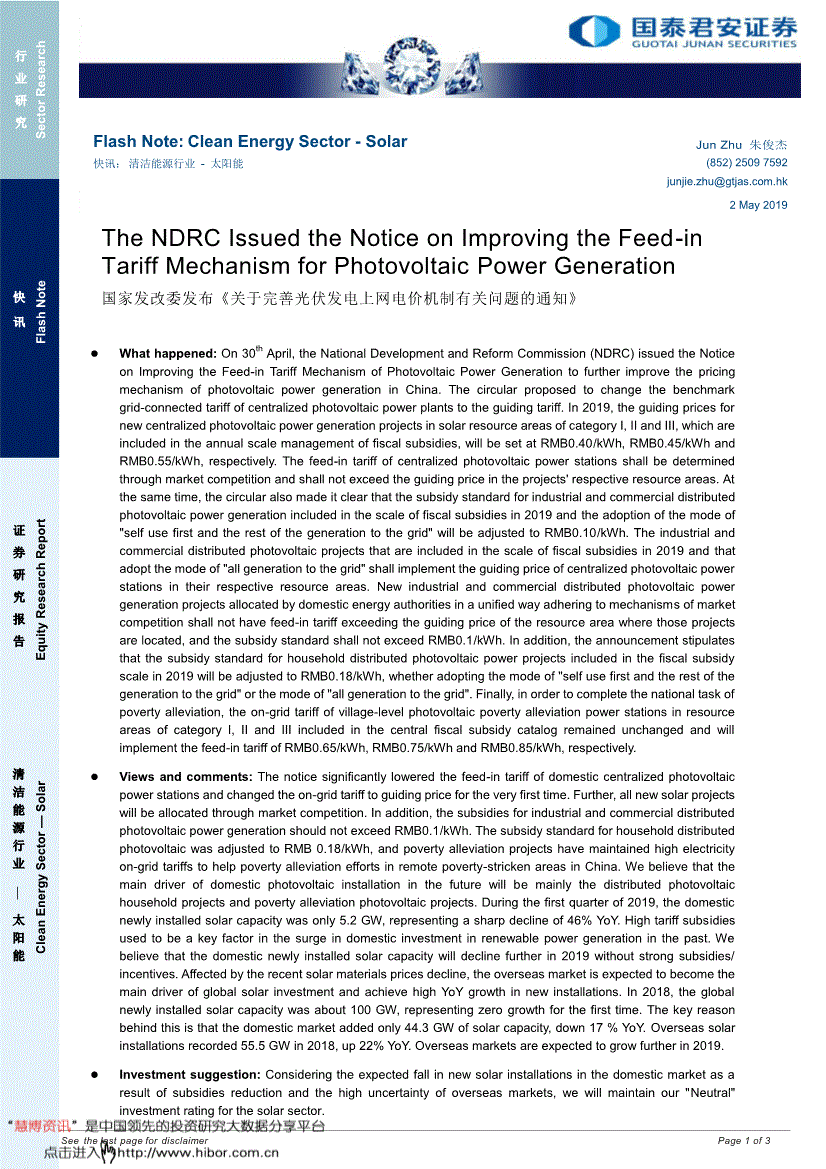
See the last page for disclaimer of 3 EquityResearchReport证券研究报告Sector ResearchFlashNote行业研究快讯证券研究报告[Table_LeftMargin] 清洁能源行业—太阳能CleanEnergySector —Solar Flash Note: Clean Energy Sector - Solar Jun Zhu朱俊杰快讯:清洁能源行业-太阳能2 May 2019 The NDRCIssued the Notice on Improving the Feed-in Tariff Mechanism for Photovoltaic Power Generation 国家发改委发布《关于完善光伏发电上网电价机制有关问题的通知》 What happened: On 30thApril, the National Development and Reform Commission (NDRC) issued the Notice on Improving the Feed-in Tariff Mechanism of Photovoltaic Power Generation to further improve the pricing mechanism of photovoltaic power generation in China. The circular proposed to change the benchmark grid-connected tariff of centralized photovoltaic power plants to the guiding tariff. In 2019, the guiding prices for new centralized photovoltaic power generation projects in solar resource areas of category I, II and III, which are included in the annual scale management of fiscal subsidies, will be set at RMB0.40/kWh, RMB0.45/kWh and RMB0.55/kWh, respectively. The feed-in tariff of centralized photovoltaic power stations shall be determined through market competition and shall not exceed the guiding price in the projects respective resource areas. At the same time, the circular also made it clear that the subsidy standard for industrial and commercial distributed photovoltaic power generation included in the scale of fiscal subsidies in 2019 and the adoption of the mode of self use first and the rest of the generation to the grid will be adjusted to RMB0.10/kWh. The industrial and commercial distributed photovoltaic projects that are included in the scale of fiscal subsidies in 2019 and that adopt the mode of all generation to the grid shall implement the guiding price of centralized photovoltaic power stations in their respective resource areas. New industrial and commercial distributed photovoltaic power generation projects allocated by domestic energy authorities in a unified way adhering to mechanisms of market competition shall not have feed-in tariff exceeding the guiding price of the resource area where those projects are located, and the subsidy standard shall not exceed RMB0.1/kWh. In addition, the announcement stipulates that the subsidy standard for household distributed photovoltaic power projects included in the fiscal subsidy scale in 2019 will be adjusted to RMB0.18/kWh, whether adopting the mode of self use first and the rest of the generation to the grid or the mode of all generation to the grid. Finally, in order to complete the national task of poverty alleviation, the on-grid tariff of village-level photovoltaic poverty alleviation power stations in resource areas of category I, II and III included in the central fiscal subsidy catalog remained unchanged and will implement the feed-in tariff of RMB0.65/kWh, RMB0.75/kWh and RMB0.85/kWh, respectively. Views and comments: The notice significantly lowered the feed-in tariff of domestic centralized photovoltaic power stations and changed the on-grid tariff to guiding price for the very first time. Further, all new solar projects will be allocated through market competition. In addition, the subsidies for industrial and commercial distributed photovoltaic power generation should not exceed RMB0.1/kWh. The subsidy standard for household distributed photovoltaic was adjusted to RMB 0.18/kWh, and poverty alleviation projects have maintained high electricity on-grid tariffs to help poverty alleviation efforts in remote poverty-stricken areas in China. We believe that the main driver of domestic photovoltaic installation in the future will be mainly the distributed photovoltaic household projects and poverty alleviation photovoltaic projects. During the first quarter of 2019, the domestic newly installed solar capacity was only 5.2 GW, representing a sharp decline of 46% YoY. High tariff subsidies used to be a key factor in the surge in domestic investment in renewable power generation in the past. We believe that the domestic newly installed solar capacity will decline further in 2019 without strong subsidies/ incentives. Affected by the recent solar materials prices decline, the overseas market is expected to become the main driver of global solar investment and achieve high YoY growth in new installations. In 2018, the global newly installed solar capacity was about 100 GW, representing zero growth for the first time. The key reason behind this is that the domestic market added only 44.3 GW of solar capacity, down 17% YoY. Overseas solar installations recorded 55.5 GW in 2018, up 22% YoY. Overseas markets are expected to grow further in 2019. Investment suggestion: Considering the expected fall in new solar installations in the domestic market as a result of subsidies reduction and the high uncertainty of overseas markets, we will maintain our Neutral investment rating for the solar sector. FlashNoteP See the last page for disclaimer of 3 Clean Energy Sector — Solar [Table_Margin1] 2May2 01 9[Table_Margin2] CleanEnergySector —Solar清洁能源行业—太阳能事件描述:国家发展改革委于4月30日印发了《关于完善光伏发电上网电价机制有关问题的通知》以进一步完善光伏发电价格形成的机制。
2019年I、II、III类资源区纳入财政补贴年度规模管理的新增集中式光伏发电项目指导价,分别确定为每千瓦时人民币0.40元、0.45元、0.55元。
新增集中式光伏电站上网电价原则上将通过市场竞争方式来确定,但不得超过所在资源区指导价。
《通知》同时明确了纳入2019年财政补贴规模、采用“自发自用、余量上网”模式的工商业分布式光伏全发电量补贴标准调整为每千瓦时人民币0.10元;纳入2019年财政补贴规模、采用“全额上网”模式的工商业分布式光伏项目,按所在资源区集中式光伏电站指导价执行。
能源主管部门统一实行市场竞争方式配置的新增工商业分布式光伏发电项目,价格不得超过所在资源区的指导价,且补贴标准不得超过每千瓦时人民币0.1元。
此外,《通知》规定纳入2019年财政补贴规模、采用“自发自用、余量上网”模式和“全额上网”模式的户用分布式光伏全发电量补贴标准调整为每千瓦时人民币0.18元。
最后,为完成国家的脱贫攻坚任务,纳入中央财政补贴目录的I、II、III类资源区村级光伏扶贫电站上网电价保持不变,仍分别按照每千瓦时人民币0.65元、0.75元、0.85元执行。
观点和评论:本次的通知将国内集中式光伏电站的上网电价大幅下调并首次改为了指导价,且所有新光伏项目均需通过市场竞争方式来确认。
另外,工商业分布式光伏发电的度电补贴原则上不可以超过每千瓦时0.1元人民币。
我们认为今后国内的光伏装机主力军或将以户用分布式光伏和扶贫光伏项目为主。
我们认为在没有有力的补贴及刺激因素下,国内的新增光伏装机量或将于2019年进一步下滑。
受近期光伏材料价格急跌的影响,海外市场有望在今年成为全球光伏投资的主要动力并实现较高的新增装机同比增长。
2018年的全球新增光伏装机同比持平在100吉瓦左右,首次录得了零增长。
海外市场今年有望在此基础上实现进一步的增长投资建议:由于国内今年的新增装机或因补贴下调而进一步下滑,而海外市场的不确定性较大,我们目前仍将维持对太阳能行业“中性”的投资评级。
本网站用于投资学习与研究用途,如果您的文章和报告不愿意在我们平台展示,请联系我们,谢谢!

为了完善报告评分体系,请在看完报告后理性打个分,以便我们以后为您展示更优质的报告。您也可以对自己点评与评分的报告在“我的云笔记”里进行复盘管理,方便您的研究与思考,培养良好的思维习惯。
友情链接: